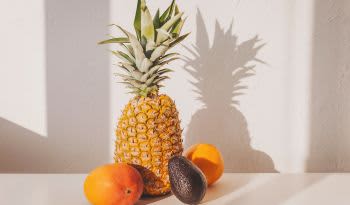
Gut health plays a crucial role in our overall health. Gut dysbiosis can occur when there is an imbalance of bacteria in the intestinal tract, which, if left untreated, can lead to inflammation, anxiety, depression, leaky gut, autoimmune conditions, and more. Hippocrates himself said that “all disease begins in the gut.”
Knowing how to support your gut health through diet and lifestyle habits is essential for preventing and helping resolve gut dysbiosis. Included in this article is a 7-Day Meal Plan, along with supplement suggestions to enhance gut health, reduce inflammation, and support overall wellbeing.
Key Takeaways
- Holistic Approach: Resetting gut health requires a combination of nutrient-dense whole foods, adequate sleep, and stress management.
- Dietary Focus: Aim for a diverse plant-based diet (with 30+ types per week), fermented probiotic foods, and a high fibre intake to support the growth of beneficial bacteria.
- Supplement Support: Key supplements, such as probiotics, L-glutamine, and digestive enzymes, can help repair the gut lining and improve nutrient absorption.
- What to Avoid: Eliminate processed foods, artificial sweeteners, and excess sugar to reduce inflammation and gut dysbiosis.
- The 7-Day Plan: This guide features a gluten-free and dairy-free meal plan, focusing on easy-to-digest recipes to help you kickstart your journey.
How To Reset Gut Health
Optimal gut healthinvolves many factors, including proper nutrition, adequate sleep, healthy lifestyle habits, along support from gut-restoring supplements and herbs.
Focus On Proper Nutrition
One key foundation for better gut health is proper nutrition.
- Increase plant diversity: We know that eating 30 or more different plant-based foods a week has a significant impact on gut health. Plant diversity supports the growth of short-chain fatty acids, which are beneficial compounds that help to improve the gut lining, immune system, metabolism, and even brain function.
- Eat more fibre: What we eat feeds the trillions of microbes in our gut microbiome. Fibrous foods, such as fruits and vegetables, feed good gut bacteria, which improve microbial balance and diversity, impacting not only gut health but overall health as well.
- Limit processed foods: In contrast, a diet high in processed foods and sugar can disrupt a healthy gut microbiome. Excess sugar can feed “bad” bacteria, leading to gut dysbiosis, which inflames the intestinal lining and increases the risk of intestinal permeability, also known as leaky gut.
Get Adequate Sleep
When we sleep, the body produces cytokines, which are proteins that help fight inflammation. During sleep, the body also works on repairing muscles and tissues, as well as regenerating cells. In contrast, lack of sleep increases inflammation by disrupting the release of growth hormones that are important for repair, as well as hindering cellular waste clearance and negatively impacting bowel movement regularity.
Manage Stress
Healthy stress management tools are crucial for maintaining optimal gut health. Chronic stress alone can hinder gut health by keeping the body in a state of “fight-or-flight”. When the body is in a state of chronic stress, this negatively impacts hormone levels, digestion and can disrupt the balance of gut bacteria. Stress-relieving substances such as alcohol or nicotine can further hinder gut health. Instead, focus on healthy stress management tools such as walking, yoga, meditation, and calming herbs, which can be consumed as supplements, teas, or tinctures. Various other supplements can also support the nervous system, such as lion's mane,ashwagandha, and magnesium. Lastly, different forms of therapy, whether talk therapy, art therapy, or movement therapy, can support the body’s nervous system and therefore help to improve gut health.
Support With Supplements and Herbs
There are a variety of herbs and supplements that can support gut health.
- L-glutamine, an amino acid that can help repair and strengthen the intestinal lining.1
- Herbs such aschamomile,ginger,lemon balm,slippery elm, andmarshmallow rootprovide calming, soothing properties, as well as protective and reparative effects.
- The mushroomlion’s manecan provide brain and nervous system support, helping the body operate in a state of “rest and digest”, rather than fight-or-flight.2
- Digestive enzymesalso support the breakdown of food for better nutrition absorption.
- Digestive bittersandapple cider vinegarcan help to stimulate the release of digestive juices and stomach acid, such as hydrochloric acid, to improve the breakdown of food.
Always consult your doctor or healthcare provider for new, ongoing, or persistent digestive issues.
Foods To Support Gut Health
Gut health is a multifaceted topic, as multiple factors contribute to both gut health and gut dysbiosis. However, there are foundational foods known to support gut health, including a diet of real, whole, fibre-rich foods, probiotics, and proper hydration.
Probiotics
Probiotics are beneficial gut bacteria that offer health benefits.
Natural food sources of probiotics include:
- Yoghurt
- Sauerkraut
- Miso
- Kimchi
- Kefir
- Kombucha
Probiotic supplementscan also be beneficial in addition to dietary sources of probiotics. There are different strands of probiotics that each can provide different health benefits.
Fibre
Fibre is a plant-based carbohydrate that the body can't digest, yet fibre is so much more than an indigestible carbohydrate! Fibre plays a crucial role in supporting satiety, blood sugar regulation, gut health, and bowel regularity. Fibrous foods support the growth of short-chain fatty acids (SCFAs), which in turn have numerous benefits, including providing energy for colon cells, reducing inflammation, regulating blood sugar levels, and even influencing the gut-brain axis.
Natural food sources that are rich in fibre:
- Fruits
- Vegetables
- Nuts
- Seeds
- Whole Grains
- Legumes
Fibre supplementscan also be beneficial for certain individuals, depending on their gut health and dietary needs.
Hydration
The body is approximately 60 percent water, so it goes without saying that every part of our body benefits from staying properly hydrated! For gut health in particular, proper hydration is essential to help lubricate the digestive tract, support bowel regularity to prevent constipation, as well as support lymphatic health to flush out toxins, prevent stagnation, and reduce inflammation. While filtered water, herbal teas, andkombuchaare excellent ways to stay hydrated, consuming water-dense foods can also support further hydration.
Water-dense foods that are naturally hydrating:
- Cucumber
- Celery
- Romaine Lettuce
- Tomatoes
- Courgette
- Watermelon
- Strawberries
- Bell Peppers
- Apples
- Oranges
- Melons
Supplements that support hydration includeelectrolyte powders, as they contain minerals to help with fluid retention and balance, such as sodium, potassium, magnesium, and chloride. Electrolyte powders can be especially beneficial for athletes, as well as during times of illness when additional hydration support is needed. Additional nutrients that support hydration include B vitamins and zinc.
7-Day Meal + Supplement Plan To Improve Gut Health
The following is an example of a 7-day gut-healthy diet. This meal plan is designed to be approachable and realistic, mirroring traditional dietary patterns that will help individuals set themselves up for success. It includes a combination of new and exciting flavors, leftovers to reduce cooking frequency, and repeat breakfast options.
This meal plan is naturally gluten-free, dairy-free and focuses on consuming real, whole, nutrient-dense foods with a variety of plant diversity to support microbial health. With all meal plans, this plan serves as a source of inspiration. Therefore, please tailor this meal plan to fit your personal dietary preferences and needs.
For individuals who currently eat a diet reliant on processed, low-fibre foods, introducing a high-fibre diet may initially result in symptoms of gas, bloating, or fullness as the body adjusts to a higher fibre intake. To support the introduction of more fibre, ensure that you’re drinking plenty of water between meals and consuming digestion-supporting herbal teas such as peppermint, chamomile, and ginger after meals.
Digestive bitters, enzymes, or a teaspoon of apple cider vinegar in 6-8 ounces of water prior to a meal can also support gastric juices, improve overall digestion, as well as reduce gas and bloating.
Day 1
- Breakfast: Smoothie made with protein powder, spinach, banana, berries, ground flaxseeds, nut butter, water or coconut milk, and a few ice cubes.Optional: 1 teaspoon of freshly grated ginger or 1 teaspoon of aloe vera juice for gut soothing, anti-inflammatory properties
- Lunch: Creamy lentil butternut pumpkin soup (meal prep multiple servings): Red lentils, carrots, onions, garlic, butternut pumpkin, bone broth or vegetable broth, salt, and coconut milk. Cook and blend all ingredients
- Dinner: Wild-caught salmon with fresh lemon juice, roasted potatoes in avocado oil with sea salt, and steamed broccoli
Day 2
- Breakfast: Eggs scrambled in avocado oil with spinach, topped on sourdough or gluten-free toast with avocado and a side of fresh berries.Optional: Sauerkraut on eggs/avocado toast
- Lunch: Leftovers - Creamy lentil butternut pumpkin soup (meal prep multiple servings): Red lentils, carrots, onions, garlic, butternut pumpkin, bone broth or vegetable broth, salt, and coconut milk. Cook and blend all ingredients
- Dinner: Fajitas: Stir-fried onion, bell peppers, broccoli, chicken, and added to yuca or almond flour tortillas, topped with black beans, salsa, and avocado.
Day 3
- Breakfast: Smoothie made with protein powder, spinach, banana, berries, ground flaxseeds, nut butter, water or coconut milk, and a few ice cubes.Optional: 1 teaspoon of freshly grated ginger or 1 teaspoon of aloe vera juice for gut soothing, anti-inflammatory properties
- Lunch: Leftovers - Creamy lentil butternut pumpkin soup (meal prep multiple servings): Red lentils, carrots, onions, garlic, butternut pumpkin, bone broth or vegetable broth, salt, and coconut milk. Cook and blend all ingredients
- Dinner: Mediterranean Bowls: Grilled chicken, quinoa, cucumber, tomatoes, Kalamata olives, olive oil, lemon, and sauerkraut
Day 4
- Breakfast: Scrambled eggs in avocado oil with spinach, topped on sourdough or gluten-free toast with avocado, and a side of fresh berries.
- Lunch: Leftovers - Mediterranean Bowls: Grilled chicken, quinoa, cucumber, tomatoes, kalamata olives, olive oil, lemon, and sauerkraut
- Dinner: Rice, Bean, and Veggie Bowl: Brown rice, black beans, romaine lettuce, diced tomatoes, diced radish, diced bell peppers, topped with salsa
Day 5
- Breakfast: Chia pudding made with coconut milk, chia seeds, protein powder, and topped with diced apple or berries, cinnamon, nutmeg, and sliced almonds.
- Lunch: Chickpea of the “Sea” Mash: Chickpeas, mustard, pickles, celery mashed together, added to a tortilla wrap of choice or topped on mixed greens, drizzled with a little olive oil, and gluten-free crackers.
- Dinner: White fish (halibut or cod), jasmine or brown rice mixed with parsley, lemon, peas, mixed green salad with balsamic and olive oil for dressing
Day 6
- Breakfast: Smoothie made with protein powder, spinach, banana, berries, ground flaxseeds, nut butter, water or coconut milk of choice, and a few ice cubes.Optional: 1 teaspoon of freshly grated ginger or 1 teaspoon of aloe vera juice for gut soothing, anti-inflammatory properties
- Lunch: Baked sweet potato topped with black beans, coriander, romaine lettuce, diced bell pepper, salsa, and fresh lime juice
- Dinner: Chicken, Rice, and Greens Soup: Chicken, dandelion greens, onion, carrot, celery, brown rice with bone broth or vegetable broth
Day 7
- Breakfast: Chia pudding made with coconut milk, chia seeds, protein powder, and topped with diced apple or berries, cinnamon, nutmeg, and sliced almonds
- Lunch: Leftover Soup: Chicken, Rice and Greens Soup: Chicken, dandelion greens, onion, carrot, celery, brown rice with bone broth or vegetable broth
- Dinner: Roast whole chicken, mashed potatoes (half cauliflower and half yellow baby potatoes), mushroom gravy, mixed green salad topped with sliced almonds and balsamic vinegar and olive oil dressing
Snacks: Gut-Healthy Snack Ideas
- Veggies + Hummus: Carrots, cucumber, hummus, and gluten-free crackers
- Peanut Butter Protein Cacao Smoothie: Protein powder, cacao, peanut butter, dates, banana, coconut milk, and ice
- Nut Mix: Almonds, pumpkin seeds, raisins or walnuts, pumpkin seeds and dried apricots
- Energy Balls: Oats, nut or seed butter, dates, cinnamon
Drinks: Gut-Healthy Beverage Ideas
- Warm water with lemon
- Peppermint tea
- Chamomile tea
- Ginger tea
- Water with 1 teaspoon of apple cider vinegar (ACV) before a meal
- Kombucha
- Green tea
What Foods To Avoid To Maintain A Healthy Gut
Nutrition is not one-size-fits-all, and therefore it’s essential to curate a diet, ideally with the guidance of a Registered Dietitian, for personal meal plans that uniquely support your health and gut health needs. Additionally, there are key foods and drinks to avoid for maintaining gut health, including processed foods, high-sugar foods, and alcohol.
Processed foods
While processed food provides calories, it often lacks essential nutrients that support optimal gut health. Processed foods that are high in sugar fuel the overgrowth of “bad” microbes. When there are more bad microbes than good, this can lead to gut inflammation, an increased risk of intestinal permeability, also known as “leaky gut”, reduced immune function, and may impact mood due to the gut-brain connection.
artificial sweeteners
Artificial sweeteners are no better, as many have been scientifically proven to hinder gut health by reducing beneficial bacteria, altering the gut microbiome, and increasing inflammation.3Instead, aim for real, whole foods. When cooking or baking, opt fornatural sources of sweetener, such as honey or maple syrup, which, while still containing sugar, also provide a boost of vitamins, minerals, and other gut-friendly nutrients.
How You Cook Your Meal
How you prepare and cook your meals can also impact your gut health. Aim to cook with oils that are sources of healthy fat, such as avocado oil or coconut oil, which have a higher smoke point and therefore retain their nutrients at higher temperatures. Olive oil is a great choice for salad dressings or as a topping for soups or other dishes. For flavor, rely on the spice drawer, which contains popular common spices such as cinnamon, garlic, onion, cumin, paprika, salt, and pepper. When cooking food for gut health, focus first on baking, roasting, steaming, and stir-frying. Avoid or minimize microwaving, deep drying, high-heat barbecuing, grilling, and overcooking, which can result in nutrient loss. For cookware, whenever possible, opt for stainless steel, glassware, and cast iron, rather than non-stick pans.
Watch What You Drink
Certain drinks can worsen gut inflammation, including sodas high in sugar and artificial ingredients, as well as alcohol and conventional dairy. The best drinks for a healthier lifestyle include filtered water, herbal teas, organic coffee, dairy-free milks with minimal real ingredients, and, for those who do consume dairy, opt for organic dairy and organic A2 milk, which can be better for digestion.
Frequently Asked Questions About Gut Health
What are the signs my gut health reset is working?
Signs that your gut health reset is working include less bloating, less gas, regular bowel movements, and increased energy.
What other ways can I improve my gut health outside of diet?
Reducing stress and supporting nervous system regulation is essential for gut health. The body and gut cannot heal and repair well when in a constant state of fight-or-flight. Lifestyle changes and stress-reducing habits can support better gut health.
How long does it take to improve gut health?
Microbial diversity and the gut microbiome can see a positive improvement within just days after consuming a real, whole foods, plant-focused diet and reducing gut-hindering foods and habits. However, 3 to 12 months is a realistic timeline for achieving optimal long-term gut health for those struggling with more severe gut dysbiosis. While diet and lifestyle factors are a key foundation, working with a Naturopathic Doctor or Registered Dietitian specializing in gut health may be necessary for thorough testing and to develop a protocol to address underlying factors causing gut dysbiosis in the first place.
What Is Gut Health?
Gut health refers to a digestive system that is functioning optionally for digestion, breaking down and absorbing nutrients from food, waste removal, the gut having a proper balance of microbes and the integrity of the gut lining and digestive system overall. The gut contains both good and bad bacteria, known as gut flora. These bacteria play a crucial role in health and wellbeing, helping to digest food, absorb nutrients, and influence metabolism, immune health, hormonal balance, mood, brain function, body weight, and more.
Conclusion
Boost your gut health and reset with healthy meals and natural supplements.
Optimalgut healthcan be achieved by maintaining a balance of a proper diet, supplements, and lifestyle habits. For new, chronic, or worrisome symptoms related to gut health, it’s always best to consult your doctor or medical provider to learn the root cause of the imbalance. In addition, when possible, seek out a Doctor, Naturopathic Doctor, or Registered Dietitian who specializes in gut health to further support your gut health journey. Health professionals with a specialty in gut health will be better suited to guide you through proper testing, a personalized dietary plan, and a tailored supplement protocol to support your specific conditions.
References:
- Deters BJ, Saleem M.The role of glutamine in supporting gut health and neuropsychiatric factors. Food Science and Human Wellness. 2021;10(2):149-154.
- Contato AG, Conte-Junior CA.Lion's Mane Mushroom (Hericium erinaceus): A Neuroprotective Fungus with Antioxidant, Anti-Inflammatory, and Antimicrobial Potential-A Narrative Review. Nutrients. 2025 Apr 9;17(8):1307.
- Conz A, Salmona M, Diomede L.Effect of Non-Nutritive Sweeteners on the Gut Microbiota. Nutrients. 2023 Apr 13;15(8):1869.
DISCLAIMER:
These statements have not been approved by the Food and Drug Administration. These products are not intended to diagnose, treat, cure or prevent disease.
























































 Table of Contents