Key Takeaways
- Heart-healthy eating patterns often emphasize whole foods: Vegetables, fruits, whole grains, lean proteins, and healthy fats are common staples.
- Meal planning can help support consistency: Preparing meals and snacks ahead of time may make balanced choices more convenient.
- Certain nutrients are frequently associated with heart health: Fiber, omega-3 fats, and potassium are commonly included in heart-conscious diets.
- Highly processed foods are often limited: Sodium, added sugars, and excess saturated fat are common considerations in meal planning.
- Heart-healthy routines extend beyond food choices: Movement, sleep, stress management, and hydration are important alongside nutrition.
It’s never too late – or too soon – to think about your heart health. In the United States, heart disease takes the most lives every year, but there’s something you can do about that. By making proactive changes to your diet and lifestyle, you can help reduce your risk of developing heart disease – and influence others to do the same. Start the movement by adopting these five heart-healthy diet habits. And just for good measure, there’s a dietitian-approved meal plan to guide you through one full week of heart-smart eating.
What Does a Heart-Healthy Diet Look Like?
Eliminate unhealthy fats
Fat is an essential part of a heart-healthy diet. However, not all fats are created equally. Saturated fats should be limited, and trans fats should be avoided as much as possible. Saturated fats include items such as dairy (whole milk, cream), marbled meats (bacon, sausage), poultry skin, and butter.
Trans fats are found in many packaged foods, solid fats such as shortening and stick margarine, pastries and baked goods, as well as some fried foods. Partially hydrogenated oil is another word for trans fat. The nutrition label can list trans fat as 0 g if there is less than 0.5 g per serving. However, serving sizes in these products are not usually consistent with the amount the average person actually consumes.
Fully hydrogenated oils contain saturated fat. Many times, the label does not specify this, so it’s a good idea to limit all hydrogenated oils in your diet.
Help yourself to heart-healthy fats
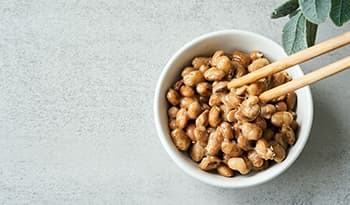
Unsaturated fats, on the other hand, are protective of your heart health. Swapping trans fats and saturated fats for monounsaturated and polyunsaturated fats will keep your heart in shape. Foods high in monounsaturated fat include olive oil, avocados, and nuts. Foods high in polyunsaturated fat include sources of omega-3s, walnuts, sunflower seeds, and soybeans. Omega-3s are essential fatty acids that your body does not produce on its own. Therefore, you must get them through food. Good sources of omegas include salmon, herring, and mackerel. You can also find plant-based omega sources, such as chia, flax, and pumpkin seeds.
Slash sodium
The American Heart Association recommends no more than 2,300 mg, or 1 teaspoon, of table salt per day. The ideal limit is 1,500 mg daily. Reducing your sodium intake can help manage blood pressure, reduce fluid retention and weight gain, and reduce your risk for heart attack, stroke, and kidney disease as you age.
Reduce your sodium intake by limiting cold cuts and cured meats, pizza, canned soups, frozen meals, and bread. Look for “reduced sodium” or “no added salt” options in packaged foods. It’s also a good idea to cut back on eating out – including those drive-thru stops! Also, try to avoid the temptation of adding more salt at the dinner table. There’s usually ample salt added in the kitchen during preparation.
Fuel up with fiber
Aim for 25-35 grams of fiber per day. Adequate dietary fiber can help maintain healthy cholesterol and blood glucose levels. It’s also important for maintaining a healthy weight and reducing your risk of cardiovascular disease. Fiber helps you feel full longer, which reduces unnecessary snacking or overeating at meals throughout the day.
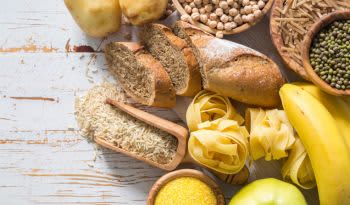
High-fiber foods include whole grains like barley, rye, oats, and brown rice. You can also get plenty of fiber from fruits and vegetables, especially with their peel or skin still intact. And, of course, you know the jingle: Beans, beans, the magical fruit! When choosing packaged foods, look for at least 4 grams of fiber per serving and make sure to drink plenty of water as you increase fiber intake slowly.
Cut back on added sugar
Too much added sugar in the diet contributes to weight gain and increased risk for many chronic diseases, heart disease, and diabetes. The American Heart Association recommends that women limit added sugar to 6 teaspoons per day, while men should stick to no more than 9 teaspoons per day.
As you well know, sugar occurs naturally in fruit and milk, but added sugars are lurking in many products you know and love. Whether in cookies, cakes, sodas, or sports drinks, added sugar hides under many names. Be sure to check the ingredients for these words: Molasses, honey, syrup, evaporated cane juice, high fructose corn syrup, and words ending in –ose (maltose, dextrose).
Heart Healthy Diet Weekly Meal Plan
Monday
- Kick off the week with steel-cut oatmeal prepared with nonfat milk, flaxseed, and cinnamon for breakfast.
- A mid-morning snack consists of an apple paired with nut butter.
- For lunch, enjoy a vibrant kale salad tossed with butternut squash, chickpeas, pine nuts, unsweetened dried cranberries, and a tahini dressing.
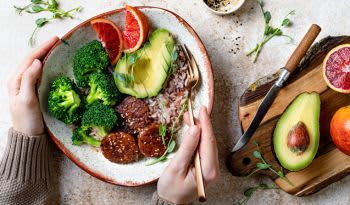
- Dinner features a black bean burger topped with avocado, alongside fajita-style peppers and onions.
- End your day with an evening snack of a quarter-cup of dried edamame.
Tuesday
- Tuesday's breakfast is one piece of whole-grain toast topped with smashed avocado and red pepper flakes, served with a half-cup of fresh fruit.
- Keep your energy up mid-morning with a quarter-cup of hummus and carrot sticks.
- Lunch is a light tuna and avocado salad served over mixed greens, accompanied by a cup of fresh mixed fruit salad.
- For dinner, enjoy zucchini noodles topped with low-sodium tomato pasta sauce and turkey meatballs.
- Your evening snack includes a half-cup of low-sodium cottage cheese with cucumbers and tomatoes.
Wednesday
- Begin Wednesday with a spinach, onion, and mushroom frittata alongside a small banana.
- A quarter-cup of unsalted almonds and a pear make up your mid-morning snack.
- For lunch, warm up with a bowl of quinoa chicken chili topped with avocado slices.
- Dinner offers crispy Brussels sprouts, pork tenderloin, and mashed sweet potatoes.
- Unwind in the evening with a half-cup of Greek yogurt mixed with fresh berries and chia seeds.
Thursday
- Breakfast on Thursday includes a chicken apple sausage, one scrambled egg, and an orange.
- Grab two tablespoons of roasted pumpkin seeds for a quick mid-morning snack.
- Lunch brings salmon tacos topped with red cabbage and an avocado crema.
- For dinner, enjoy a four-ounce flank steak served with fingerling potatoes and roasted broccolini.
- Your evening snack pairs fresh cherries with a low-fat string cheese.
Friday
- Friday starts with a nutrient-packed smoothie blending strawberries, spinach, Greek yogurt, and chia seeds.
- Mid-morning, snack on two tablespoons of guacamole with bell pepper slices.
- Lunch is a mixed green salad topped with strawberries, walnuts, feta cheese, and chicken, dressed in a balsamic vinaigrette.
- Dinner consists of cauliflower rice, sautéed squash, zucchini, and mushrooms served alongside a baked chicken breast.
- Finish the day with a quarter-cup of cashews and apple chips.
Saturday
- Kick off your weekend with a hard-boiled egg and one piece of whole-grain toast with nut butter.
- A quarter-cup of pistachios and unsweetened dried cherries serves as your mid-morning snack.
- Lunch is a spicy chicken wrap paired with a refreshing cucumber and tomato salad.
- For dinner, enjoy a Greek Portobello mushroom burger topped with tzatziki sauce and spinach, served with baked sweet potato fries.
- Your evening snack is a serving of whole-grain crackers with nut butter.
Sunday
- Sunday’s breakfast features Greek yogurt topped with fresh berries and slivered almonds.
- Keep it simple mid-morning with a low-fat string cheese and a pear.
- For lunch, enjoy a bowl of wheat berry turkey minestrone soup alongside a spinach salad with balsamic vinaigrette.
- Dinner is a comforting meal of Parmesan spaghetti squash cakes, a chicken breast, and sautéed kale.
- End the week with a half-cup of low-sodium cottage cheese topped with peaches and walnuts.
DISCLAIMER:
These statements have not been approved by the Food and Drug Administration. These products are not intended to diagnose, treat, cure or prevent disease.

























































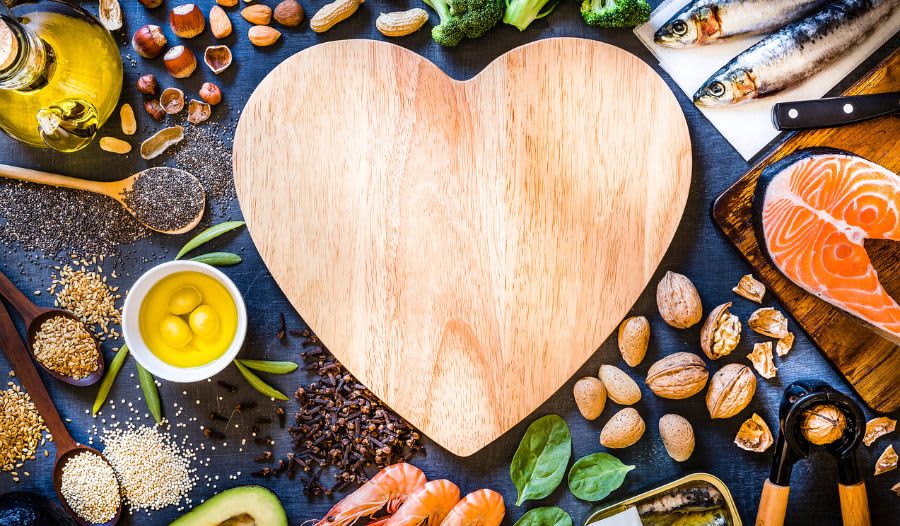
 Table of Contents