One of the amazing natural phenomena is a plant's ability to adapt to its environment. The composition of a plant's active compounds can be significantly influenced by geography, altitude, climate, and other factors. These stressors often lead to the formation of protective factors within the plant, helping it survive. Often, these compounds also exert significant effects in improving human health.
A great example of this environmental influence leading to different chemical compositions within a plant is Peruvian Maca (Lepidium meyenii).
This fascinating member of the cabbage family is a close relative of the turnip, but lumping it in with common cruciferous vegetables is almost a disservice to its own health benefits, even though other members of the cabbage family have their own list of health-improving benefits.
Where Does Maca Come From?
Maca is native to the northern Puna region of Peru and Bolivia, where the elevation is typically 11,000 to 14,000 feet, just above the tree line but below the permanent snow cap. Maca is the highest-elevation food crop in the world. However, the Puna area is challenging for crops beyond its elevation. At any time of the year, temperatures can range from below-freezing to 60° F. Even during droughts in precipitation, humidity remains relatively high.
As a result, frosts are frequent, including during the growing season. Here is the bottom line: all of these environmental stressors contribute to the unique chemical composition of Peruvian Maca.
What Is Maca?
Maca is a small plant that grows about six inches tall and across. Its turnip-shaped root ranges roughly 1 inch to 3 inches in diameter at harvest. This root has been treasured for thousands of years for its ability to increase energy, stamina, and fertility. For the people of the Puna, it is still a valuable food.
Maca has a strong, bitter taste. But it also has a sweetness to it. It is an exciting and unusual flavor, and the taste varies due to changes in growing conditions. Different forms of Maca also vary in their chemical composition and applications. The roots grow in 3 primary color groups:
- Yellow Maca is about 60% of all Maca roots harvested in Peru. It is the most commonly used and the most researched of all Maca products. It works to boost energy, enhance concentration, and support the endocrine (hormonal) system.
- Red Maca comprises about 25% of the annual harvest and is the sweetest-tasting of all Maca powders. Studies have shown that it has the highest phytochemical levels of all Maca colors. It is regarded as the most effective type for women due to its supportive effects on the hormonal system and action on bone health.
- Black Maca is the rarest of all Maca colors, making up around 15% of the annual harvest. Black Maca has been suggested to be the most effective for men, especially for muscle building, endurance, mental focus, and libido.
Maca's Nutritional Content
Dried powdered Maca is nutrient-dense, especially in minerals like calcium, magnesium, zinc, and potassium. It also contains approximately 13-16% protein and is rich in essential amino acids. It is also rich in fiber (8.5%), carbohydrates (59%), and free fatty acids (2.2%). Despite its excellent nutritional profile, the phytochemicals of Maca are even more exciting. There are many unique compounds, but first, it is important to note that members of the cruciferous vegetable family are known to contain glucosinolates. These compounds are valuable health-promoting agents in kale, cabbage, broccoli, etc., that also positively influence hormonal metabolism.
- The glucosinolates in Maca are unique, with the benzyl glucosinolates and glucotropaeolin being especially important to its action.
- Maca also contains some unique alkaloids collectively called macamides, including macaridine and macaene. Alkaloids are generally fast-acting compounds. Maca’s macamides and macaenes appear to influence the hypothalamic–pituitary–adrenal (HPA) axis — the body’s central stress response system — helping support resilience to physical and emotional stress without directly affecting hormone levels. Much of Maca's adaptogenic effect is likely due to these valuable compounds.
- Anthocyanidins and other flavonoids, best known from berries, are responsible for the pigmentation of black and red Maca. These pigments also contribute to some of the health benefits, especially antioxidant activity.
- Maca also contains alkamides. These compounds are best known as the tongue-tingling components of Echinacea.
- Lastly, Maca contains several sterols, including brassicasterol, beta-sitosterol, campesterol, and stigmasterol.
When I look at the chemical composition of Maca, I can understand why it has such a unique taste. Still, I can also see how subtle variations in the ratios of these active components in the different Maca color types and the gelatinized extract could yield other effects.
Maca Supplements
Peruvian Maca powder is prepared from roots that are harvested, sun-dried, cleaned, and ground into a fine powder. During this process, the roots are never heated above 45 °C (115°F), thereby preserving the maximum amount of nutrients, enzymes, and beneficial glucosinolates.
In preparing gelatinized Maca powder, the sun-dried roots are first boiled and then pressurized to remove all starch content. It takes 4 kg of Maca powder to produce 1 kg of gelatinized Maca extract (a 4:1 ratio). Heating the Maca destroys the enzymes and alters some of the glucosinolates, but it also concentrates many of the active compounds, making them easier to digest. For example, heating increases the formation of sulforaphane, a derivative of Maca glucosinolates and best known as a component in broccoli sprouts.
Health Benefits Of Maca
Since Peruvians native to the central Andes consume Maca in naturally dried form, there is a historical study population to look to for its safety and effects. One study assessed Maca consumption, sociodemographic aspects, health status, and fractures in men and women aged 35–75 years old in this population. The results indicated that Maca consumption was associated with significantly higher health status scores. It was also associated with a lower rate of fractures and lower scores of signs and symptoms of high-altitude environmental stress. In addition, Maca consumption was associated with lower body mass index and blood pressure.
1. Adaptogenic Activity
Maca meets all the criteria for classification as an "adaptogen." That is probably why it is mistakenly referred to as Peruvian ginseng by some marketers. Maca is not in the ginseng family but does possess ginseng-like adaptogenic activity. Adaptogens have historically been used to:
- Restore vitality in debilitated and feeble individuals
- Increase feelings of energy
- Improve mental and physical performance
- Prevent the negative effects of stress and enhance the body's response to stress
One of the consistent findings in human clinical data is that Maca boosts mood scores, reduces feelings of stress, and increases perceived energy levels.
2. Sexual Function
One of Maca's most renowned benefits is enhancing sexual desire and function for both men and women. A recent systematic review of randomized controlled trials concluded that Maca supplementation may support sexual desire and mood in both men and women without altering circulating testosterone or estrogen levels, suggesting a central mechanism of action. Likely, Maca’s unique compounds — particularly macamides and macaenes — act on central regulatory pathways within the brain, including the hypothalamus and pituitary gland. These structures coordinate the body’s response to physical and emotional stress via the hypothalamic–pituitary–adrenal (HPA) axis. By supporting the function of these central control mechanisms, Maca may help promote healthy mood, energy levels, sexual desire, and stress resilience without functioning as a hormone or directly modifying endocrine output. Clinical trials confirm these properties.
Women also respond well to Maca. For example, in one small randomized, double-blind, placebo-controlled crossover trial in postmenopausal women, Maca was shown to reduce anxiety, low mood, and low libido.
The reality is that sexual dysfunction is highly prevalent in modern society worldwide, affecting 20–30% of men and 40–45% of women. Since Maca impacts and improves both significant causes of sexual dysfunction, it is little wonder that this application has probably become why most men and women want to add Maca to their diet.
3. Semen Quality
Maca has long been used to promote improved fertility. Some studies in men dealing with poor sperm function and semen quality support this historical use. In a double-blind trial, sixty-nine men experiencing mild decreased sperm mobility and low sperm counts were given Maca (2 g per day) or a placebo for 12 weeks. The men treated with Maca showed a significant improvement in seminal concentration, but there were no significant differences in semen volume, sperm mobility, or morphology compared with either group. These results indicate that Maca has mild benefits in this application.
4. Menopause
Maca has been used in Peru to help menopausal women. In a 4-month study, postmenopausal women taking 2 g of Maca powder per day showed a supportive effect on hormone levels (FSH, estrogen, progesterone, and ACTH) and improvements in sleep quality, mood, and thermoregulation. There was also a reduction in body weight and an increase in serum HDL cholesterol and iron. These results support the historical use of Maca in postmenopausal women.
5. Cardiovascular Support
One study among Peruvian Andeans suggests that Maca may help maintain healthy blood pressure levels already within the normal range. And in another double-blind study in healthy men, gelatinized Maca supported cardiovascular function after 12 weeks of use.
Maca Dosage And Considerations
The standard dose for dried, powdered Maca or gelatinized Maca is typically 1,500-3,000 mg, taken once or twice daily. Higher dosages may be required for more targeted effects, but a daily dosage of 1.5-6 g is appropriate for a general health boost. Remember that there are individualized responses to Maca, just like any food. Maca has been safely used in human clinical trials at doses of up to 3 grams daily for up to 16 weeks. Maca is generally very well-tolerated. If Maca does cause gastrointestinal irritation, consider the gelatinized form and always discuss any changes to your regimen with your healthcare provider.
References:
- Da Silva Leitão Peres N , Cabrera Parra Bortoluzzi L , Medeiros Marques LL , et al. Medicinal effects of Peruvian Maca (Lepidium meyenii): a review. Food Funct. 2020;11(1):83-92.
- Chen R, Wei J, Gao Y. A review of the study of active components and their pharmacology value in Lepidium meyenii (Maca). Phytother Res. 2021;10.1002
- Gonzales GF, Gasco M, Lozada-Requena I. Role of Maca (Lepidium meyenii) consumption on serum interleukin-6 levels and health status in populations living in the Peruvian Central Andes over 4000 m of altitude. Plant Foods Hum Nutr. 2013;68(4):347-351.
- Lee MS, Lee HW, You S, et al. Effects of maca (Lepidium meyenii) on sexual function in men and women: A systematic review and meta-analysis of randomized clinical trials. BMC Complement Med Ther. 2022;22(1):84.
- Zenico T, Cicero AF, Valmorri L, Mercuriali M, Bercovich E. Subjective effects of Lepidium meyenii (Maca) extract on well-being and sexual performances in patients with mild erectile dysfunction: a randomised, double-blind clinical trial. Andrologia. 2009 Apr;41(2):95-9.
- Beharry S, Heinrich M. Is the hype around the reproductive health claims of Maca (Lepidium meyenii Walp.) justified? J Ethnopharmacol. 2018 Jan 30;211:126-170.
- Gonzales GF, Córdova A, Vega K, et al. Effect of Lepidium meyenii (Maca), a root with aphrodisiac and fertility-enhancing properties, on serum reproductive hormone levels in adult healthy men. J Endocrinol. 2003 Jan;176(1):163-8.
- Gonzales GF, Córdova A, Vega K, et al. Effect of Lepidium meyenii (MACA) on sexual desire and its absent relationship with serum testosterone levels in adult healthy men. Andrologia. 2002 Dec;34(6):367-72.
- Brooks NA, Wilcox G, Walker KZ, et al. Beneficial effects of Lepidium meyenii (Maca) on psychological symptoms and measures of sexual dysfunction in postmenopausal women are not related to estrogen or androgen content. Menopause. 2008 Nov-Dec;15(6):1157-62.
- Alcalde AM, Rabasa J. Does Lepidium meyenii (Maca) improve seminal quality?. Andrologia. 2020;52(10):e13755.
- Meissner HO, Reich-Bilinska H, Mscisz A, Kedzia B. Therapeutic Effects of Pre-Gelatinized Maca (Lepidium Peruvianum Chacon) used as a Non-Hormonal Alternative to HRT in Perimenopausal Women - Clinical Pilot Study. Int J Biomed Sci. 2006;2(2):143-159.
- Stojanovska L, Law C, Lai B, et al. Maca reduces blood pressure and depression, in a pilot study in postmenopausal women. Climacteric. 2015;18(1):69-78.
DISCLAIMER:
These statements have not been approved by the Food and Drug Administration. These products are not intended to diagnose, treat, cure or prevent disease.


























































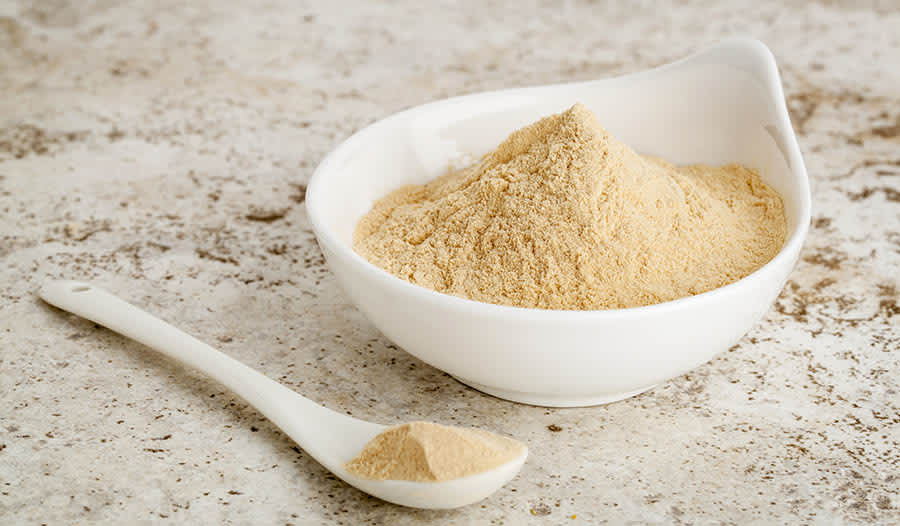
 Table of Contents